

AI is no longer just a tool; it is becoming the central engine for personalized, inclusive, and data-driven education globally.
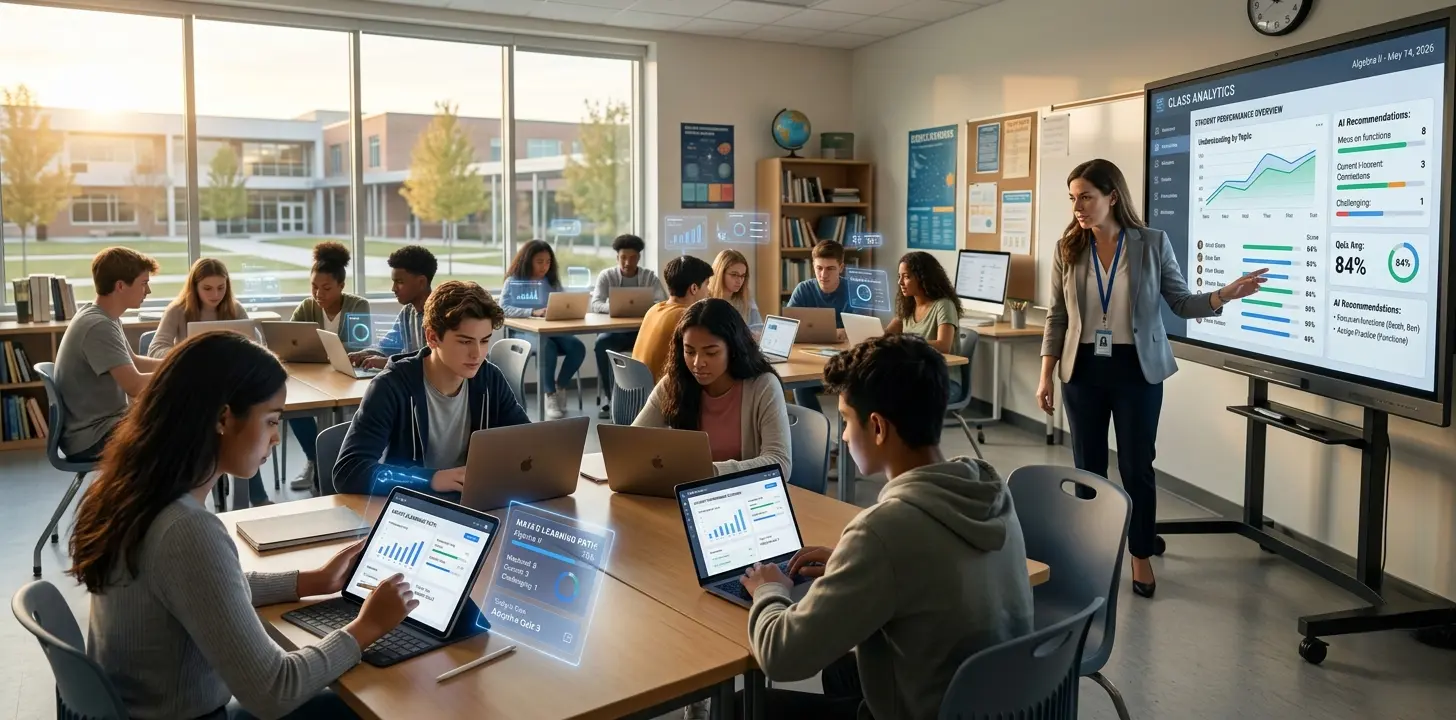
Artificial Intelligence (AI) is rapidly reshaping the education landscape by improving learning outcomes, enhancing accessibility, and boosting institutional efficiency. From adaptive learning pathways to smart analytics and virtual classrooms, AI enables a more personalized, engaging, and data-driven learning experience for students and educators alike.
Educational institutions worldwide are increasingly integrating AI into academic systems, reflecting a broader shift toward intelligent and future-ready learning environments. This transformation moves education from a 'one-size-fits-all' model to a highly tailored experience that grows with the learner.
AI is not simply a technological add-on; it delivers transformative benefits across academic, administrative, and operational dimensions.
Adaptive Digital Curriculum Delivery Learning systems continuously adjust content difficulty and progression based on student performance, helping learners master concepts before moving forward.
Virtual Classrooms and Collaboration Tools AI enhances remote and hybrid learning by supporting live participation monitoring, automated note summarization, and collaborative workflow tracking.
AI-Powered Tutoring and Support Virtual tutors provide on-demand concept explanations, revision support, and guided practice sessions, making academic assistance available 24/7 beyond classroom hours.
Automated Grading and Plagiarism Detection AI supports faster and more consistent evaluation of assignments and essays while helping institutions uphold high academic integrity standards through intelligent detection tools.
While the benefits are substantial, institutions must address critical implementation hurdles:
AI-supported education equips students with technical fluency and critical thinking skills required in the modern workforce. By learning to interpret AI-generated insights and evaluate automated solutions, students develop the adaptability needed for lifelong success. Exposure to these tools prepares learners for data-driven environments, improving readiness for future technology-focused roles.
AI is playing a major role in democratizing education. Students in remote or underserved areas can now access high-quality learning support, multilingual resources, and assistive technologies. This contributes to more equitable educational opportunities, bridging geographical and language barriers on a global scale.
AI in education represents a fundamental shift in how knowledge is delivered, assessed, and experienced. By combining personalized learning, real-time analytics, automation, and immersive technologies, AI empowers students and educators to achieve outcomes once considered unattainable.
The key to long-term success lies in responsible implementation—balancing technological innovation with ethics, privacy, and the irreplaceable human element of teaching. As AI continues to evolve, it will not only enhance academic performance but also prepare learners for success in an increasingly intelligent world.